
This familiar pantry staple is made from fermenting liquids containing alcohol, such as wine or champagne, and fermenting foods with naturally occurring bacterial cultures.
While the process of creating it may sound unappealing, vinegar is widely used in cooking (and even baking)—from making dressings and tenderizing meat to pickling vegetables and “lifting” baked goods—with each type possessing its own unique flavor profile that can add a punch of subtle tang to countless dishes. Read through our vinegar breakdown to better understand this must-have ingredient.
1. Distilled White Vinegar
This type is the most functional vinegar of the bunch; consider it the baseline of all the vinegars. Derived from grain alcohol, white vinegar possesses an intense, acidic flavor that’s crisp and clean. Since it has a neutral profile, it’s pretty much a blank slate when it comes to cooking and baking. In a pinch, it can even be used for cleaning purposes when diluted with water.

2. White Wine Vinegar
Made from fermented white wine instead of grain alcohol, this type is a bit lighter and more delicate than distilled white vinegar. It has a slightly fruity flavor, since it’s derived from grapes, and is excellent for deglazing pans to make a delicious sauce or for stirring into salad dressings.
3. Red Wine Vinegar
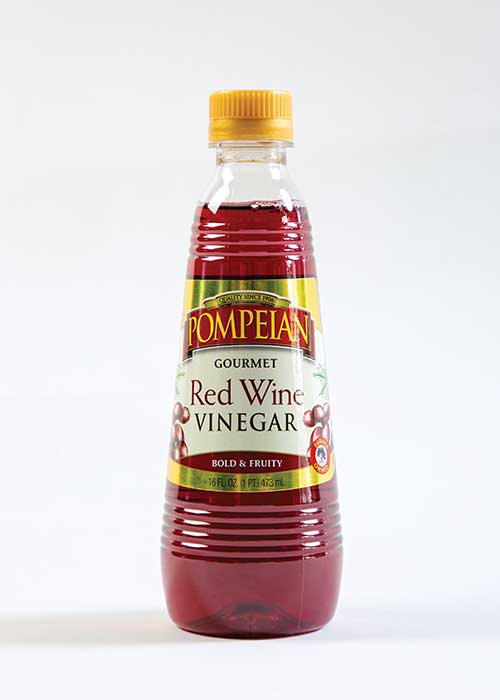
Like the name suggests, this rosy-hued vinegar is made from fermented red wine, giving it fruity notes like its white wine counterpart. Relatively sharp and robust in flavor, it’s often used in Mediterranean cooking. This type is a great option to use when pickling produce, making vinaigrettes, and more.
4. Apple Cider Vinegar
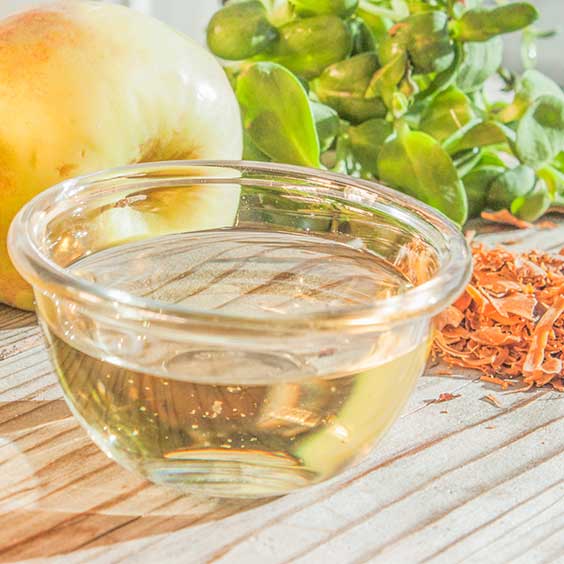
This vinegar starts with apples—yeast gradually breaks down the sugars in the fruit—instead of wine. This is a middle-of-the-road vinegar as it relates to sharpness and acidity while still having that fruity flavor profile. When cooking with apple cider vinegar, keep in mind what goes well with apples, such as pork dishes.
5. White Balsamic Vinegar
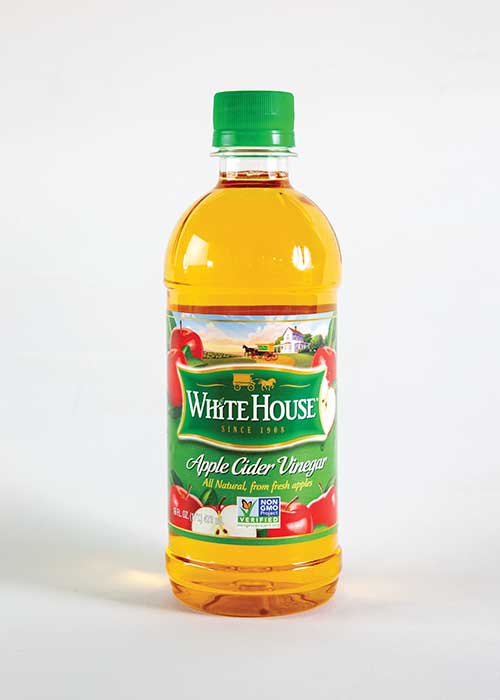
This type of vinegar is processed in the same way as regular balsamic. However, its light color keeps it from “muddying” recipes, contributing brightness both in flavor and color. It’s a great option to turn to when cooking up veggie-forward dishes, marinades, and more.
6. Balsamic Vinegar
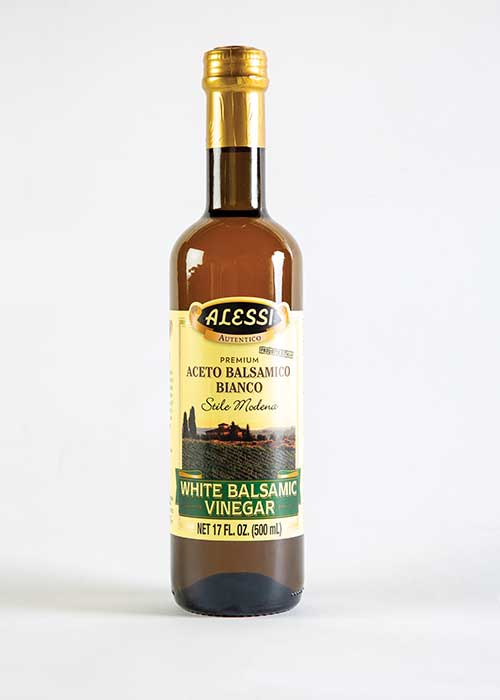
Commonly used in Italian cooking, this dark vinegar becomes sweeter the longer it’s aged. Unlike other vinegars that are made with alcohol, balsamic vinegar gets its full- bodied, concentrated flavor from grapes fermenting (“grape must”) in oak barrels. It’s delicious when drizzled over savory meat dishes, stirred into salad dressings, and more.
7. Champagne Vinegar
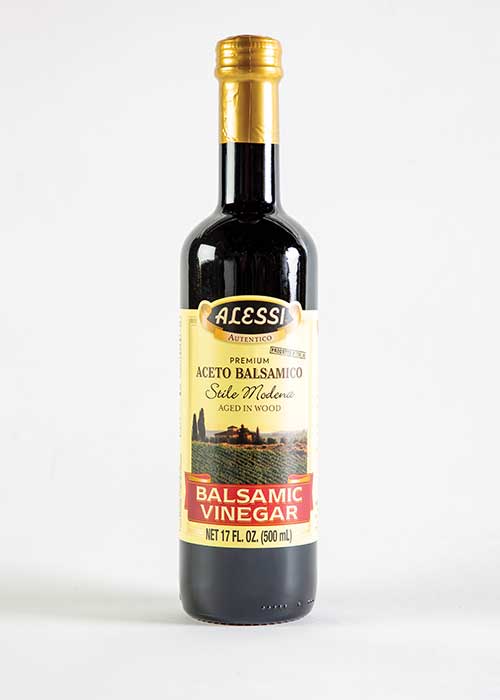
Encompassing the lightest and most delicate flavor of all the vinegars, this type has sweet and tart notes with a touch of fruit since it’s derived from the well-loved bubbly beverage. It shines when used in seafood and chicken dishes, fruit salads, and, of course, salad dressings.
8. Rice Vinegar
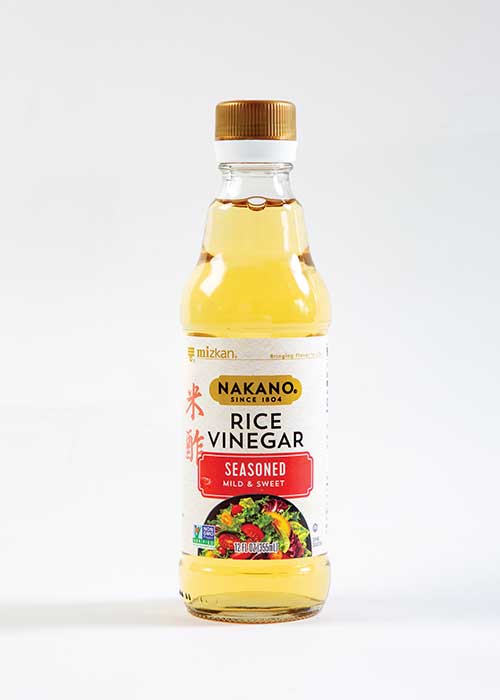
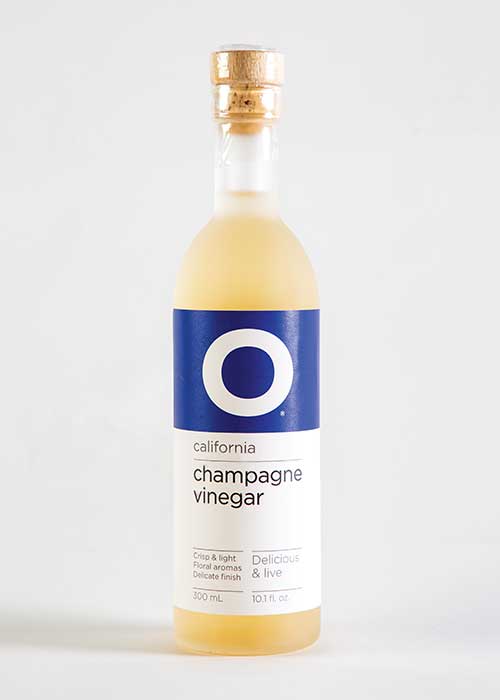
This vinegar option comes from fermented rice or “rice wine” and is a popular ingredient in Asian cooking. It comes in two different varieties, regular and seasoned (with added salt and sugar), and its versatility and mild taste work well in everything from sauces to stir-fried dishes.